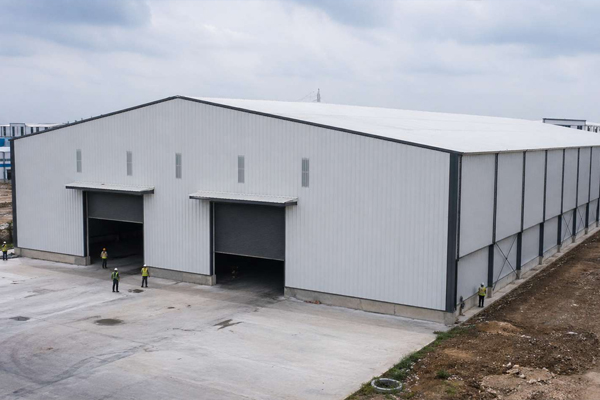
Industrial sheds are a part of many businesses. They provide space for manufacturing, storage, workshops, warehouses and other industrial activities. A planned shed protects equipment and materials supports smooth operations and makes better use of available space.
However building a shed involves more than putting up a roof and walls. Factors such as the type of business, site conditions, materials, structural design, ventilation and future expansion all need attention.
In this blog we will look at the aspects of industrial shed construction including different types of sheds commonly used materials, design requirements and important points to consider before starting a project.
What Is Industrial Shed Construction?
Industrial shed construction is the process of designing and building a structure for commercial use. These sheds are generally made with steel frameworks and roofing systems although the choice of materials depends on the purpose and project requirements.
Industrial sheds are used in manufacturing plants, engineering workshops, storage facilities, logistics centres, automobile units and many other industries. The main aim is to create a practical and cost-effective structure that supports daily business activities while allowing room for future needs.
Different Types of Industrial Sheds
Sheds are available in different designs. The right option depends on how the space will be used, the required span and the site conditions.
1. Engineered Building (PEB) Sheds
Pre-Engineered Building sheds are designed and manufactured using a planned structural system. Most components are fabricated in a factory. Assembled at the project site. They are popular because they offer installation, efficient material use and flexibility, in design. PEB sheds are commonly used for factories, warehouses and large industrial facilities.
2. Conventional Steel Sheds
Conventional steel sheds are built from steel sections. These sections are usually cut, fabricated and assembled based on the project drawings. Conventional steel sheds rely on this process.
Conventional steel sheds can fit projects that need structural requirements or custom designs.. Conventional steel sheds may take longer to fabricate and construct especially if the design is complex.
3. Warehouse Sheds
Warehouse sheds are mainly built for storing materials, finished products, machinery and other goods. Warehouse sheds often need open spaces, a floor that can hold heavy loads and easy movement for vehicles and material‑handling equipment.
4. Manufacturing Sheds
Manufacturing sheds are planned around the production process. Manufacturing sheds may contain areas for machinery, assembly lines, raw material storage finished goods sections and employee facilities. The design of Manufacturing sheds must support movement between different work areas.
5. Multi-Span Industrial Sheds
Multi-Span industrial sheds have roof sections that rest on internal columns. Multi-Span industrial sheds are useful when a business needs a covered area with a specific internal layout.
The number and placement of columns, in MultiSpan industrial sheds must be planned carefully so they do not interfere with machinery, storage or movement.
Key Considerations Before Starting Construction
Careful planning can help prevent delays, unexpected expenses and unnecessary design changes during construction.
| Consideration | What to Check |
|---|---|
| Budget | Include design, materials, fabrication, installation and finishing costs |
| Approvals | Check local permissions and applicable regulations |
| Timeline | Plan fabrication, transportation and site work |
| Quality | Review material specifications and workmanship |
| Future expansion | Allow for possible changes in business operations |
| Maintenance | Select practical materials and finishes |
Selecting experienced Industrial Shed Manufacturers is another important part of the process. A reliable manufacturer can support structural planning, material selection, fabrication and installation.
Before finalizing a company, it is important to review previous projects, technical capabilities, quality processes and project execution experience. Clear communication about costs, specifications and timelines can also help avoid confusion.
Why Choose Sahyadri Infra Projects for Industrial Shed Construction?
Choosing the right construction partner can make a significant difference to the quality and execution of an industrial shed project.
Sahyadri Infra Projects, established in 2010, provides pre-engineered building design, fabrication, installation and structural steel solutions. The company offers solutions for industrial and commercial building requirements, with a focus on practical designs and project execution.
For businesses planning a new factory shed, warehouse or industrial structure, Sahyadri Infra Projects offers services related to PEB and structural steel construction.
More information about its services and projects is available at Sahyadri Infra Projects.
How to Select the Right Industrial Shed Manufacturers
The quality of an industrial shed depends on its design, materials and construction. Choosing suitable Industrial Shed Manufacturers is therefore an important decision.
The following points can help during the selection process:
- Industry experience: Check experience in handling similar industrial projects.
- Design capabilities: Look for a team that can plan the structure according to specific operational needs.
- Material quality: Review the specifications of steel, roofing sheets and other construction materials.
- Project execution: Understand how fabrication, transportation and installation will be managed.
- Previous projects: Check completed projects to assess the quality of work.
- Cost transparency: Compare quotations and understand which services are included.
The lowest quotation may not always provide the best value. Material quality, engineering, installation standards and long-term maintenance should also be considered.
Final Thoughts
Industrial shed construction requires proper planning, suitable materials and a design that matches the needs of the business. From selecting the type of shed to planning the foundation, ventilation, flooring and safety features, every detail contributes to the building's performance.
Working with experienced Industrial Shed Manufacturers can help ensure that important technical requirements are considered throughout the project.
A well-designed industrial shed can support daily operations, improve space utilization and provide a reliable facility for future business growth.